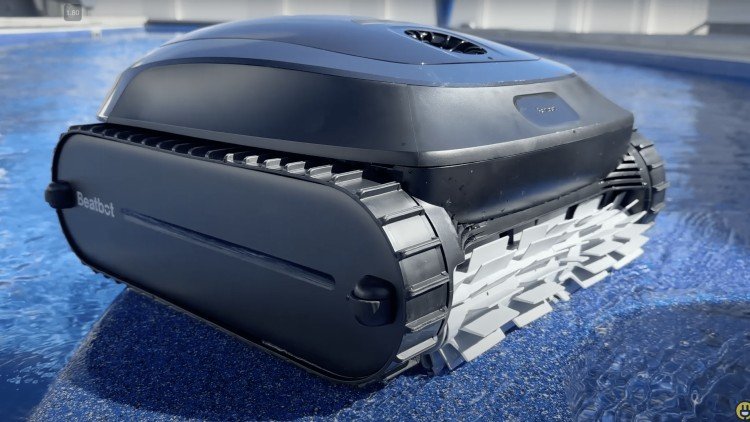
Picture a cordless pool cleaner finishing its job, or worse, running out of battery, somewhere in the middle of an eight-foot-deep pool. Without some way to signal it's done and get itself back to an accessible spot, that's a dive or a long session fishing around with a pole. Auto park and return exists specifically to prevent that scenario, using onboard sensors to detect a low battery or a completed cleaning cycle and then navigating itself to the nearest wall or up to the surface rather than just stopping wherever it happens to be.
This is really a cordless-specific problem. A corded cleaner stays tethered the whole time, so pulling it out is never really in question, it's always reachable by the cable. Once you cut the cord, though, the cleaner can end up anywhere in the pool, and retrieval becomes a real design problem manufacturers have to solve rather than something that just works by default.
A few premium versions push this further. Beyond just parking within reach, some models actively drain water out of their own body once they surface, shedding weight before you lift them out, which makes a real difference on larger units that would otherwise be an awkward, soaked, two-handed pull. Paired with a floating hook or an included caddy, the whole retrieval process ends up closer to a quick grab-and-store than actual pool maintenance.
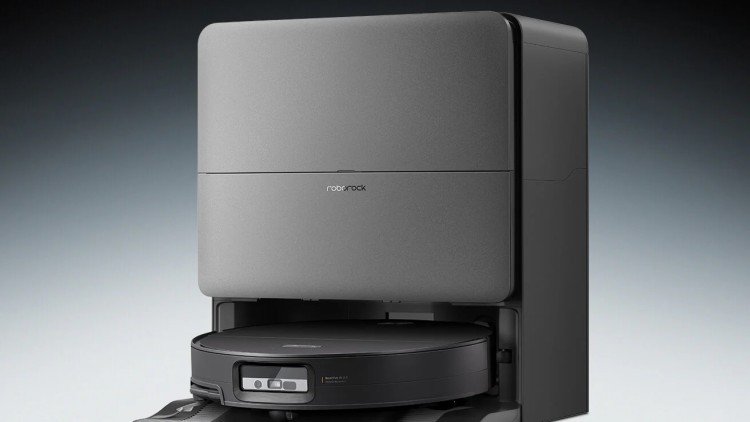
Here's the gap most spec sheets don't make obvious: a standard robot vacuum climbs using nothing but wheel torque, and that tops out around 15 to 20mm, enough for a typical doorway strip or a low rug edge, and not much more. Anything taller than that, a raised door saddle, a sunken living room, a thicker carpet transition, and a wheel-torque-only robot either stalls out or gets high-centered with its wheels spinning in the air.
Getting past that ceiling takes an actual mechanical shift, not just a stronger motor. Vacuums built for this category use an active lifting chassis, the body physically raises itself when it senses an obstacle, giving the wheels the clearance they need to roll over rather than ram into the lip. It's a meaningfully different piece of engineering than a passive wheel design, and it shows in the price.
That said, climbing height specs are usually measured under close to ideal conditions, straight-on approach, a clean beveled edge, and real-world performance can lag the number on the box, especially on sharp 90-degree metal thresholds that trip up the robot's obstacle sensors rather than its motor. Approach angle matters almost as much as the raw height rating, so a robot that handles a threshold dead-on might still struggle with the same threshold approached diagonally.
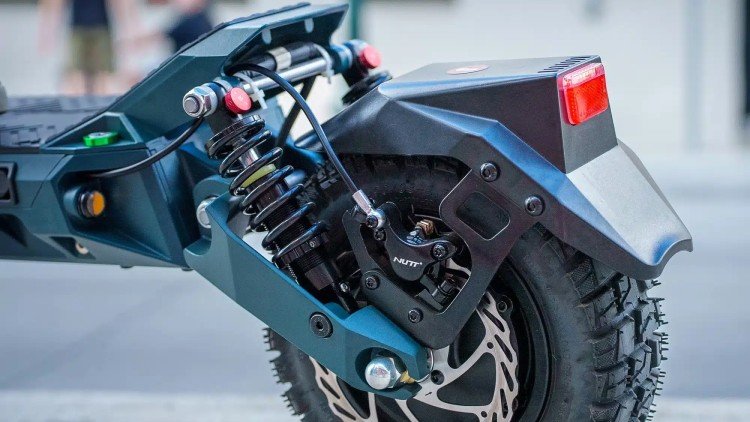
Delivering food or packages on a scooter puts real demands on a machine that a typical commute never will: hours of continuous riding, constant stop-and-go, the added weight of bags or an insulated box, and a schedule where downtime for charging or repairs costs actual money. Our Delivery Ready category is built around the two specs that matter most for that kind of work: somewhere to actually carry things, and a battery that won't leave you stranded mid-shift.
Cargo capacity is the more obvious of the two. A scooter built for delivery has some dedicated way to haul gear, whether that's a rear rack, a mounting point for an insulated delivery bag, or built-in storage, rather than just a bare deck with nowhere to put anything. It's a simple distinction, but it separates scooters actually designed for this work from ones that technically could carry a backpack if you strapped it on yourself.
Range is the primary filter here. Every delivery-focused buying guide we found lands in the same neighborhood: a genuine minimum of 30 miles once you account for cargo weight, traffic, and a full shift rather than a light joyride. That's a real bar, not a marketing number, since it has to hold up under the exact conditions gig work creates: stopping and starting at every order, carrying extra weight the whole time, and running for hours rather than minutes. A scooter that clears 30 miles even at its stated minimum is one you can actually build a shift around instead of watching the battery percentage all day.
One last thing is that weight capacity matters too, since you're adding food, bags, and gear on top of your own body weight, and a sturdy build that can handle daily stop-and-go wear will save you more in the long run than a few extra dollars saved upfront.
-medium.jpg)
Robotic mowers used to be a luxury purchase, with early models running several thousand dollars for even the most basic functionality. That's changed fast. A genuinely capable mower for a small or mid-sized yard is now available for under $1,000, and the drop in price hasn't come entirely at the expense of quality.
Mowers in this range tend to rely on a traditional boundary wire rather than wire-free GPS or vision-based navigation, which means a longer setup process and less flexibility if you want to reshape your mowing zones later. Coverage capacity stays modest too, this tier is built for smaller, simpler yards rather than sprawling or heavily obstacled ones, and slope handling is usually limited to gentle grades. None of that makes these "lesser" mowers so much as mowers built for a specific, common kind of yard: flat, modest in size, and without much complexity to navigate.
We set the line at $1,000 because that's where the market itself splits. Below it, you're firmly in entry-level territory. Above it, prices climb quickly toward mid-range machines with wire-free setup and noticeably better navigation. If your yard is small and straightforward, there's little reason to pay for capability you won't use.
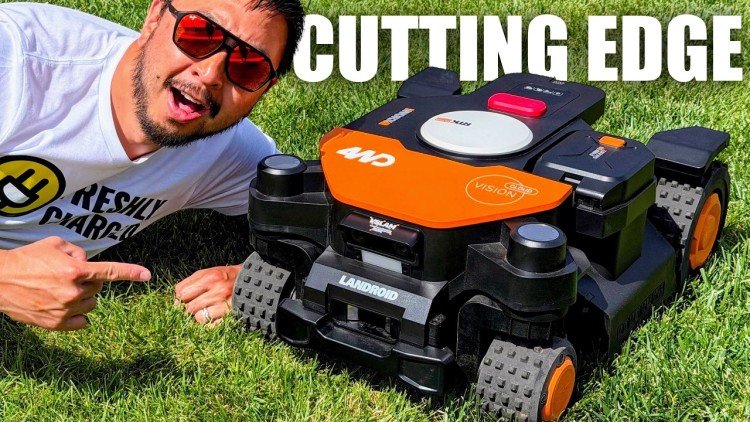
Most robotic mowers handle a slightly-too-big yard the same way: they dock, recharge, and pick back up later, no human required. A removable battery changes the math on that. Because the pack pulls out without tools, you can keep a second one charged and ready, swap it in the moment the first runs low, and finish the job in one sitting instead of waiting out a multi-hour recharge cycle.
That's a real advantage, but it's worth being clear about what it does and doesn't solve. Swapping in a spare battery doesn't turn a mower rated for a quarter acre into one that can handle a full acre, the cutting deck, motor, and navigation system are still built around that smaller footprint. What it does well is stretch a mower a bit past its rated area, or compress a long mowing session into less total time, without stepping up to a pricier, larger-capacity machine.
There's an upkeep side to a swappable design too. A tool-free removable battery is also easy to pull for winter storage, keeping the pack somewhere temperature-controlled rather than sitting in a cold garage or an outdoor dock all season, which tends to be easier on long-term battery health regardless of yard size.
-medium.jpg)
Two years ago, $300 barely got you a vacuum that bumped around a room at random. Thanks to a plethora of advancements in the robotics market, that has changed. LiDAR mapping, real room-by-room navigation, and suction numbers that would've been mid-range not long ago have all moved down into this price tier, closing a gap that used to be a lot wider between "budget" and "actually good."
What's still missing at this price is mostly the convenience layer rather than core cleaning ability. Self-emptying docks, automatic mop-pad lifting for carpet, and camera-based AI obstacle recognition tend to show up once you cross into the $300–600 range, not below it. A sub-$300 vacuum will clean a floor competently; it just asks a little more of you in return, emptying the bin yourself, keeping an eye on mixed flooring, maybe picking up the occasional stray cable it didn't see coming.
For a smaller home or a first robot vacuum, that tradeoff barely registers. The core job, mapping a space and cleaning it on a schedule without being told to, is well covered under $300 now. It's really only once pets, thick carpet, or a bigger than average large floor plan enter the picture that the missing features start to matter.
-medium.jpg)
Dorm and campus life has a way of exposing exactly how portable a bike really is. Narrow stairwells, a shared room with no garage to stash things in, a shuttle bus that won't wait while you wrestle a fold shut, none of it forgives a bike that's merely foldable in theory. This category is built around the bikes that actually hold up to that routine.
Weight is the real test here, more than the fold mechanism itself. Most folding e-bikes weigh somewhere between 45 and 75 lbs, which is manageable if you're loading one into a car trunk once a week, but a different story entirely when you're the one hauling it up three flights daily. Under 40 lbs is where that changes: light enough to carry on a shoulder rather than drag, and light enough that lifting it becomes routine instead of a workout.
That lighter build isn't free, worth knowing going in. Bikes this light typically trade down on battery size and motor power to get there, so expect shorter range and less muscle on hills compared to a heavier commuter e-bike. For getting across campus and up a stairwell without a fight, though, that compromise is usually the right one to make.
-medium.jpg)
The under-$500 pool cleaner market is a mixed bag. For every solid option, there's a handful of overhyped, thin-plastic units that barely move debris and end up spending more time being fished out of the deep end than actually cleaning. That's not a reason to skip this price range, it's just a reason to look past the marketing photos and check what a given model actually does.
Interestingly, cordless isn't automatically the better buy down here. A well-built corded cleaner in this range can outlast a cordless one by years, corded units commonly run 5 to 7+ years with basic upkeep, while budget cordless models tend to last closer to 1 to 3 years as the battery gradually loses capacity. Cordless still wins on convenience, no cable to manage, no fixed pump connection, but it's worth knowing that tradeoff exists rather than assuming cordless means better across the board.
One spec worth double-checking regardless of price: wall climbing claims aren't all created equal. Some budget models market "wall climbing" but really only handle a gentle slope, not the kind of full vertical climb that gets a cleaner up to the waterline. If wall or waterline performance actually matters for your pool, it's worth reading past the headline claim on the box.
-medium.jpg)
Did you know electric bikes have different "class" ratings? This is a legal classification system that limits how powerful (and fast) an e-bike can be. The exact definition of a Class 1 will vary depending on where you live, but one rule is the same everywhere: Class 1 e-bikes have no throttle, which means the electric motor is activated by pedal-assist only.
- In most of Europe, Class 1 e-bikes are limited to a motor power of 250 watts and a top speed of 25 km/h (15.5 mph)
- In the USA, Class 1 e-bikes are limited to a motor power of 750 watts and a top speed of 25 mph (32 km/h)
Legal distinctions aside, Class 1 e-bikes tend to be more popular with traditional cyclists who prioritize fitness and "enjoying the ride" over speed and convenience. Most Class 1s are manufactured by traditional bicycle brands such as Trek, Giant, and Cannondale.
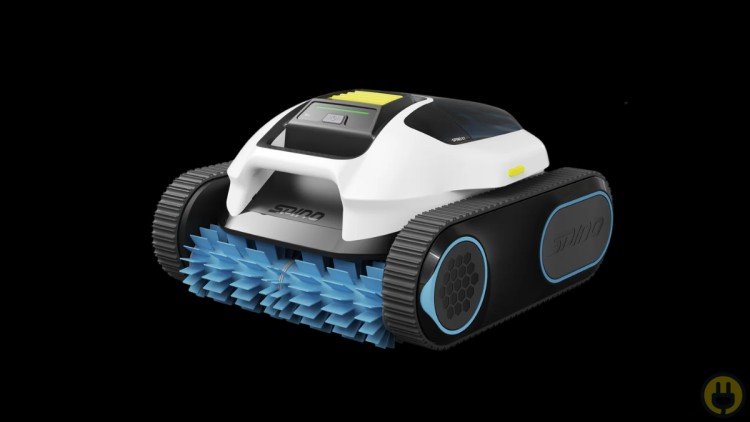
Reaching the bottom of a deep pool and actually cleaning it are two different problems. Debris sitting eight or nine feet down has more water pressure pushing against it, so a robot with a weak motor might physically get down there and still fail to lift settled sand and dirt off the floor. The suction has to scale with the depth, not just the navigation.
Depth transitions add a second challenge on top of that. Most deep pools aren't a uniform depth throughout, they slope from a shallow end down to a deep end, and that slope can confuse a robot that relies on basic random-pattern navigation. Better systems plan their route around the pool's actual contours, so the transition between shallow and deep doesn't cause missed sections or a robot that loses its bearings partway down.
Another consideration for pool above average in depth are cordless models and those that have an auto park function. Retrieving a cordless cleaner from a shallow pool is a minor inconvenience; doing it from eight-plus feet down is a real chore, and battery life that's already tight can end a session before the deep end even gets covered. None of this replaces the other basics, either, a robot built for real depth still needs solid wall and waterline coverage, depth alone doesn't make a pool clean if the robot skips everything above the floor.
-medium.jpg)
Electric bikes, or e-bikes, are bicycles equipped with electric motors and rechargeable battery systems that assist the rider’s pedaling effort. They typically feature one of three assist systems: pedal-assist, throttle control, or a hybrid of both. Battery capacity, motor wattage, and sensor types vary across models, allowing riders to choose between lightweight city commuting setups or high-performance configurations built for speed and range. Many e-bikes include features such as integrated lighting, display screens, multiple assist levels, and regenerative braking. Depending on the design, motors may be located in a wheel hub or integrated with the crank system for more natural pedaling dynamics.
These bikes are used for commuting, fitness, cargo transport, off-road riding, and casual recreation. They appeal to riders who want the benefits of cycling with reduced strain, longer range, or easier travel across hills, wind, or long distances. With advancements in battery efficiency, motor design, and frame integration, electric bikes have become a practical transportation solution in cities, suburbs, and rural areas. Their combination of accessibility, efficiency, and versatility has made them one of the fastest-growing categories in personal electric transportation.
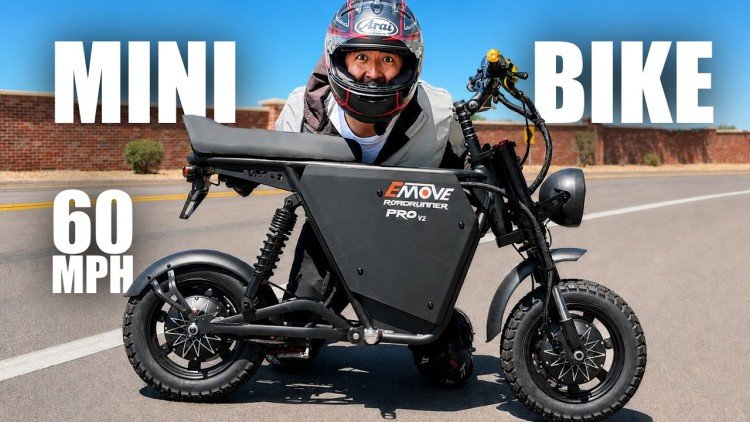
Electric scooters are compact, motorized personal transportation devices designed for efficient and convenient travel. They typically feature a standing deck, handlebars for steering, an electric motor, and a rechargeable battery system. Most models include multiple speed modes, electronic or mechanical braking systems, and built-in lighting for visibility. Advanced scooters may also offer suspension, pneumatic tires, app-based customization, GPS tracking, and swappable batteries to extend range.
This category includes seated electric scooters. Some are purpose-built as seated only, such as the iconic Vespa brand. Other scooters feature a removable seat, allowing the rider to switch between seated and standing modes.
These scooters are widely used for commuting, recreational riding, and short-distance urban travel. Their portability, ease of use, and low operating cost make them appealing alternatives to cars, public transit, or walking for trips of a few miles. As cities continue exploring micro-mobility solutions, electric scooters have become a popular choice for individuals seeking fast, efficient, and environmentally friendly transportation that fits into daily life.